Ca’ Pietra Romaine Limestone Tumbled Finish Tiles
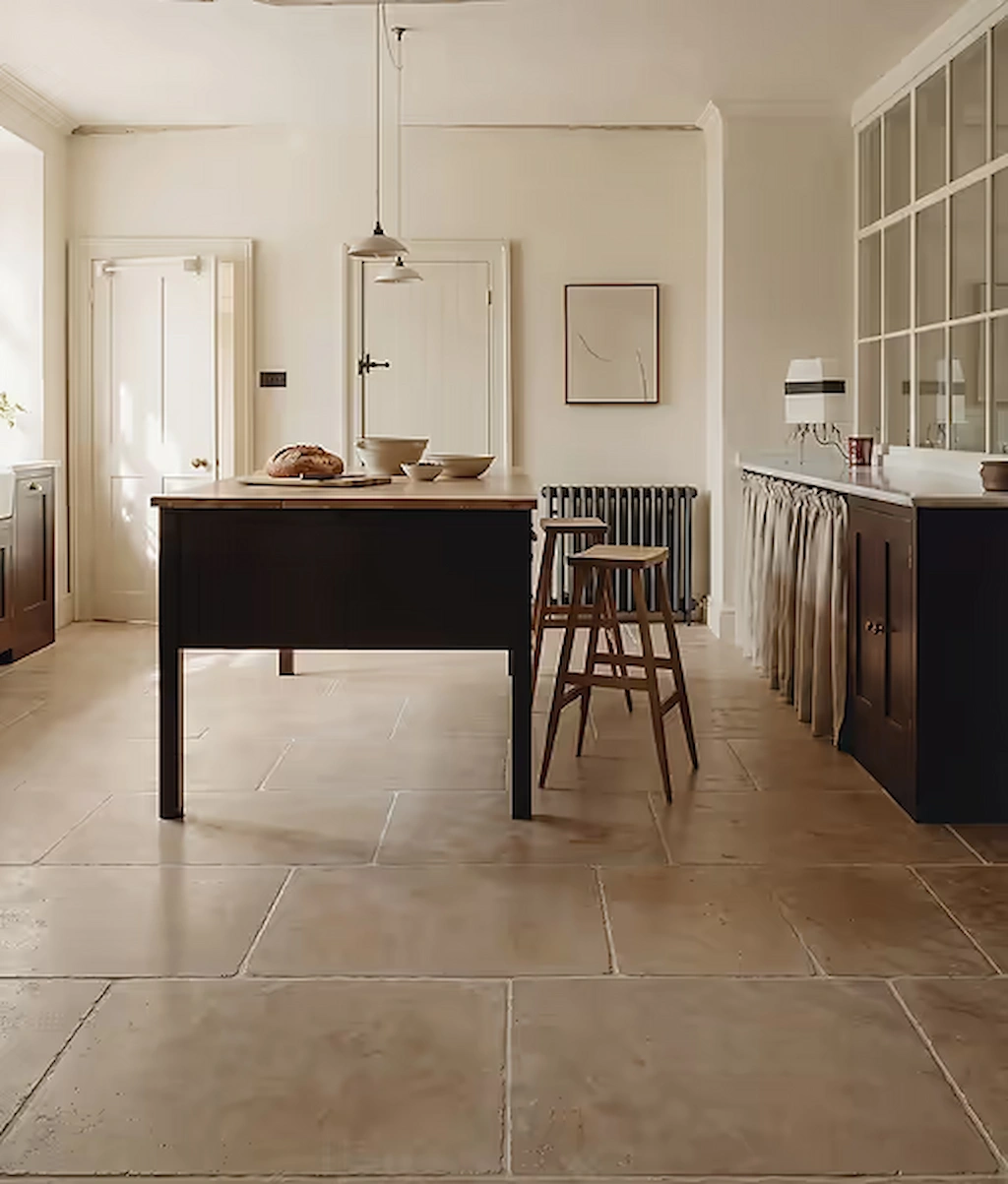
Romaine Limestone tile by Ca’ Pietra has an aged look that gives spaces a warm and relaxed feel. The beige tones, natural markings, and slightly worn finish help it feel more lived-in and natural rather than polished or perfect. It works beautifully in kitchens, hallways, utility rooms, and open-plan spaces where you want something calm, timeless, and easy to live with.
Good to know
Brand: Ca’ PietraMaterial: Natural limestoneFinish: Tumbled / softly aged finishLook: Warm beige, rustic, farmhouseBest for: Kitchens, hallways, utility rooms, and living spacesStyle: French farmhouse, country, period, and rustic-modern homes
What makes Romaine Limestone different?
Romaine Limestone has the charm people often look for when they want a floor that feels settled, natural, and not too new. The colour sits in a beige and warm neutral palette, so it works well with painted kitchens, oak units, neutral walls, and older properties where a very flat modern tile might not feel right.
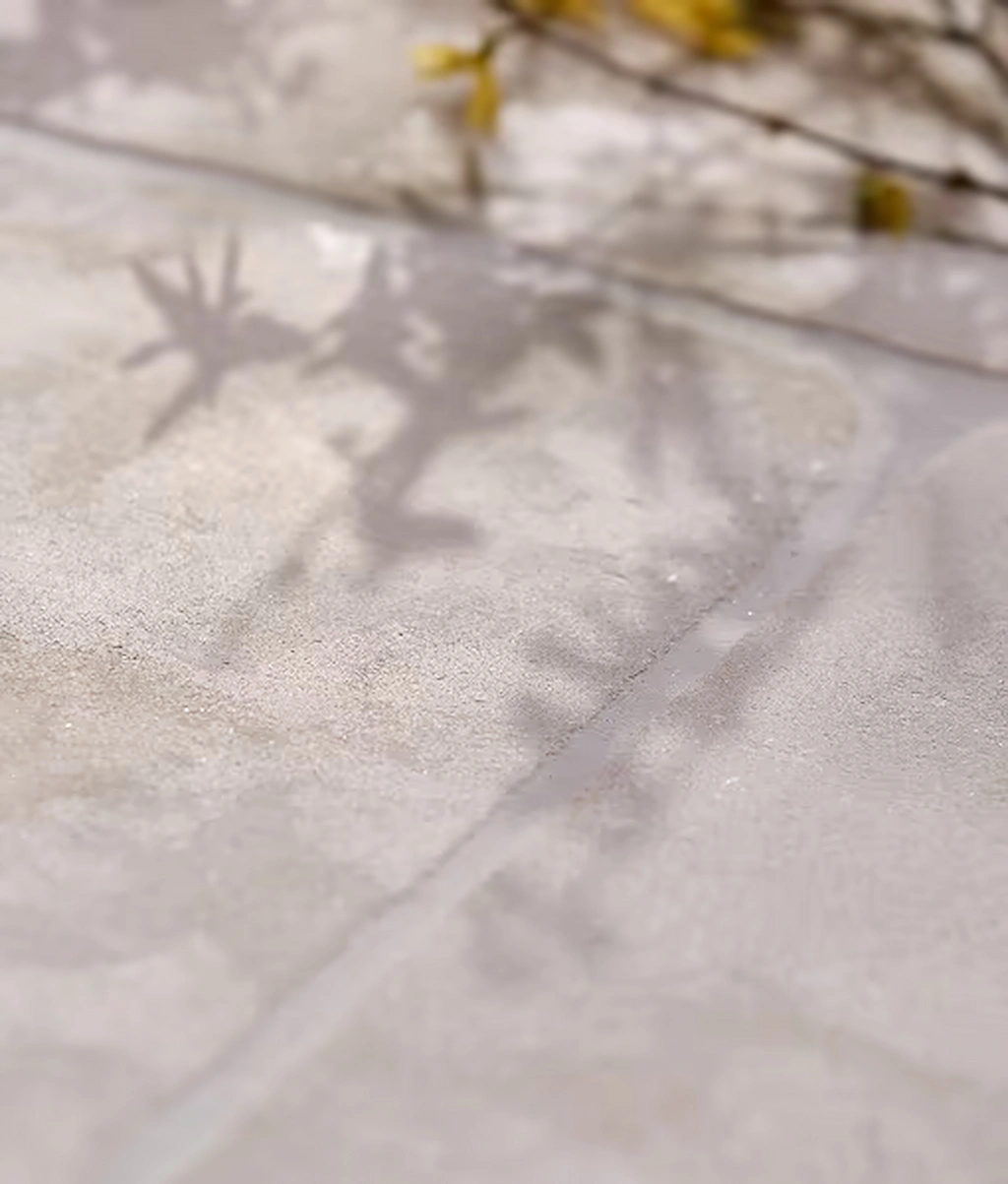
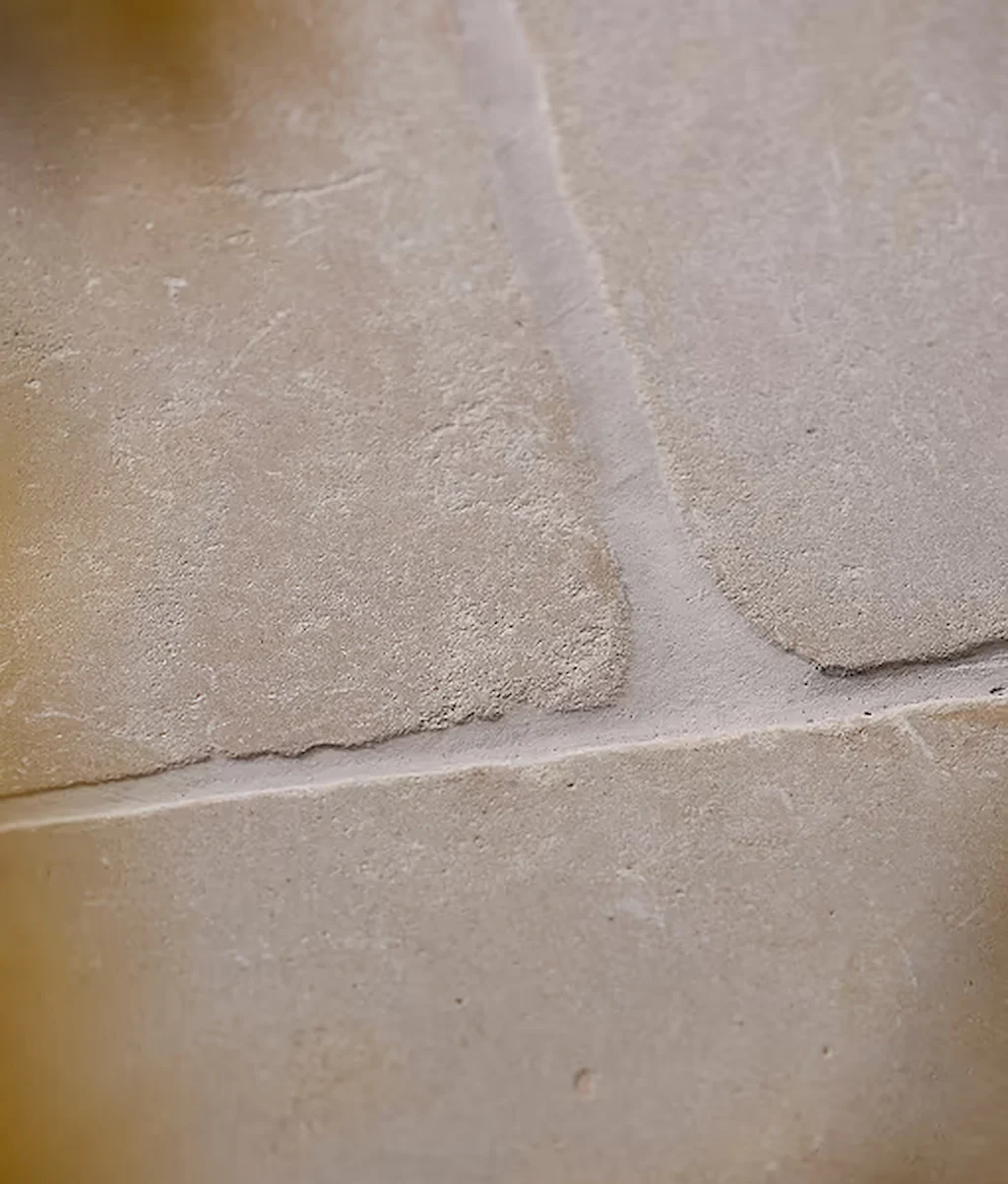
Because it is natural limestone, each tile has its own markings, tone changes and surface detail. That variation is part of the look.
Warm neutral colour
Beige and natural stone tones that suit both classic and modern country interiors.
Farmhouse character
An aged look that works well in kitchens, boot rooms, hallways, and period-style homes.
Real limestone texture
Natural detail, soft movement, and surface variation give every floor its own character.
The tumbled finish gives Romaine Limestone a softer, aged look with gently worn edges and a more lived-in surface. It is not designed to look flat or overly modern. Instead, it gives the stone a relaxed, time-worn feel that works beautifully in farmhouse kitchens, hallways, boot rooms, and older homes.
This is the finish many customers have in mind when they search for tumbled limestone floor tiles. The softened detail, natural surface, and warm beige make Romaine Limestone a strong choice for French farmhouse and country-style interiors.
Kitchen floors
Romaine Limestone works beautifully in kitchens because the neutral colour goes well with cream, sage, oak, navy, black, and shaker-style cabinets. It gives the room a homely feel without making the space look dark.
View kitchen floor tiles
Hallways and entrances
A natural stone hallway can make the entrance feel calm and established. The varied surface is also more forgiving visually than a very plain tile, especially in busy family homes.
View hallway floor tiles
Utility rooms and boot rooms
For practical spaces, Romaine Limestone gives the room a relaxed finish. It pairs well with painted cabinetry, baskets, timber shelving, and traditional utility room details.
Open-plan living spaces
If you want a flowing floor through a kitchen, dining and living area, this limestone keeps the look soft and natural while still feeling premium.
View natural stone tiles
This tile is best suited to interiors that need warmth, texture, and a more natural look. It can help a new kitchen feel less clinical and can also fit naturally in older Kent homes where a modern floor may not feel right.
For a farmhouse kitchen: pair with shaker cabinets, aged brass handles and warm white walls.For a rustic-modern look: use with black accents, simple lighting and natural timber furniture.For a period home: keep grout tones soft and avoid anything too bright or high contrast.For a calm neutral space: layer with linen, oak, stoneware and muted paint colours.
With natural limestone, shade and surface variation is expected. One tile may be lighter, another may have more colour, fossil detail or soft markings. This is not a fault. It is what gives the floor its natural look.
We always recommend ordering a sample first and viewing it in your own room. Natural light, cabinet colour and paint choice can all change how the stone appears.
Decoramic tip
When laying natural stone, mix tiles from several boxes before fixing. This helps blend the shade variation across the whole floor.
Yes, natural limestone should be sealed correctly before and after grouting, using a suitable natural stone sealer. This helps protect the surface from everyday marks, moisture, and staining. Your installer should always follow the supplier’s fixing and sealing guidance for the exact tile and room use.
For day-to-day cleaning, use a pH-neutral cleaner made for natural stone. Avoid harsh acidic cleaners, bleach-based products, and strong limescale removers, as these can damage limestone over time.
Seal before use
Use a suitable limestone sealer and follow the fixing instructions carefully.
Clean gently
Use pH-neutral stone cleaner rather than harsh household chemicals.
Expect character
Natural stone develops a softer, lived-in look with use.
Limestone is often suitable for use with underfloor heating when installed correctly, but the subfloor, adhesive, movement joints, heating system and commissioning process all matter. Always check the latest Ca’ Pietra guidance and use an experienced tile installer who is comfortable working with natural stone.
Not sure if Romaine Limestone is right for your room?
Order a sample first or pop into our showroom for friendly advice. We can help you compare it with other limestone, stone-effect porcelain, and warm neutral floor tiles.
Is Romaine Limestone suitable for kitchens?
Yes, it can be a lovely kitchen floor choice when sealed and installed correctly. It gives kitchens a warm, natural, and relaxed look.
Does Romaine Limestone need sealing?
Yes. Limestone is a natural stone and should be sealed with a suitable natural stone sealer before everyday use.
Is Romaine Limestone a tumbled limestone tile?
Yes. It has the softened, aged, and worn-in look people usually want from tumbled limestone flooring.
Will all Romaine Limestone tiles look the same?
No. Natural limestone varies in tone, markings and surface detail. This variation is part of the charm of the product.
Can Romaine Limestone be used with underfloor heating?
It may be suitable when fitted correctly. Always check the latest supplier guidance and use a suitable adhesive, subfloor preparation, and commissioning process.
What grout colour works best with Romaine Limestone?
Soft beige, warm grey or stone-coloured grout usually works best. Avoid very bright white grout if you want a more natural look.